
When people start working on a garden, the first question is often which plants to choose. Most gardeners look for plants that are easy to care for, look good for long periods, and fit well with the space they have available. Whether the garden is large or small, the goal is usually the same: creating a place that feels pleasant and manageable over time.
Gardening is rarely about perfection. Weather changes, plants grow differently than expected, and spaces evolve. Over the years, certain plants have become popular because they perform reliably and adapt well to different conditions. These plants often appear in gardens across regions and styles because they meet practical needs while also adding visual appeal.
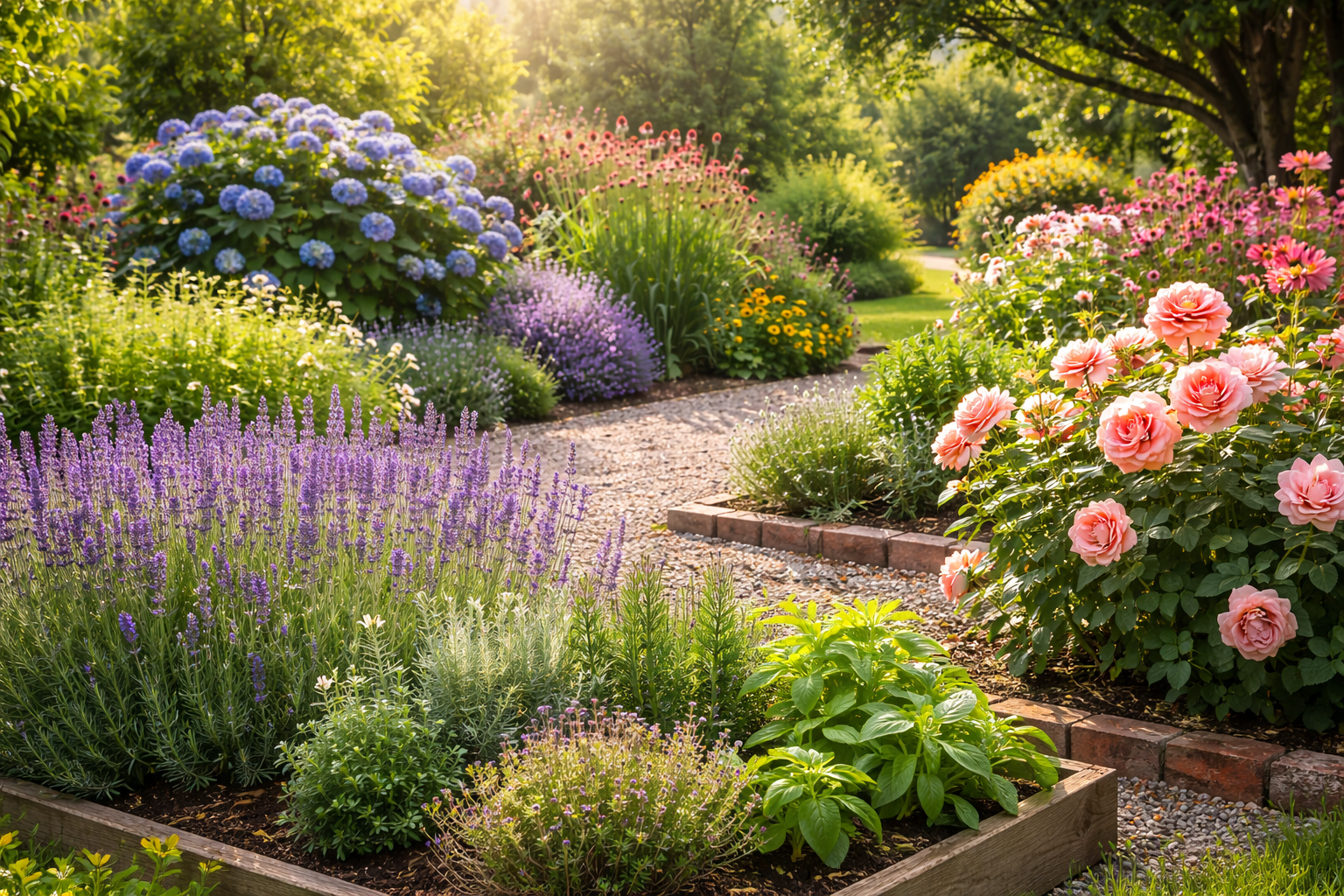
Lavender is one of the most commonly chosen garden plants. It is valued for its soft purple color and gentle scent, which adds character without overwhelming the space. Lavender grows best in sunny areas with well-drained soil and does not need much water once established. This makes it suitable for gardeners who prefer low-maintenance plants.
Many people also appreciate lavender because it attracts insects such as bees and butterflies. Its compact shape works well along pathways, borders, or as part of mixed planting areas. Lavender fits both modern and traditional garden designs and often looks good throughout much of the growing season.
Plants people often start with
Roses remain a classic choice in gardens around the world. They are available in many colors, shapes, and varieties, which makes them suitable for a wide range of garden styles. Some gardeners choose climbing roses to cover fences, walls, or arches, while others prefer bush varieties that stand alone or line paths.
Although roses require some attention, many people feel the effort is worthwhile. Regular watering, pruning, and occasional care help keep rose plants healthy. Their long flowering season and strong visual presence often make them a focal point in the garden.
Hydrangeas are another popular option, especially in gardens with partial shade. Their large flower heads create visual impact, even when planted in small numbers. One interesting feature of hydrangeas is that their flower color can change depending on soil conditions, which adds variation over time.
Hydrangeas are often chosen because they fill space easily and provide structure without needing detailed planning. They work well as background plants or as soft dividers between different areas of the garden.
Herbs
Herbs have become increasingly common in home gardens. Plants such as rosemary, thyme, basil, and mint are easy to grow and offer practical benefits. Many herbs require minimal space and can be planted in garden beds, containers, or raised boxes.
Growing herbs allows people to combine gardening with everyday cooking. Fresh herbs are often used directly from the garden, which makes them both decorative and functional. Their scent and texture also add variety to planting areas.
Shrubs and evergreen plants are often added to give structure to a garden. Unlike flowering plants that change with the seasons, evergreen plants provide consistent greenery throughout the year. This helps gardens feel complete even during colder months or periods with fewer flowers.
Shrubs can define borders, frame paths, or create privacy. Because they remain in place for many years, they form the backbone of many garden designs. Choosing the right size and shape helps maintain balance as the garden grows.
Ground cover plants are another category often chosen by gardeners. These low-growing plants help fill empty spaces, reduce weed growth, and protect soil. They are useful in areas where grass is difficult to maintain or where a softer look is preferred.
Plants such as creeping thyme or low shrubs spread naturally and create a unified appearance. Over time, they help gardens feel more connected and less fragmented.
Trees, when space allows, are also an important part of garden planning. Smaller ornamental trees are often chosen for residential gardens because they provide shade and structure without overwhelming the space. Trees grow slowly, but their presence adds depth and long-term value to a garden.
Choosing garden plants
Choosing garden plants is often a personal process influenced by climate, soil type, available space, and the amount of time someone wants to spend on maintenance. Some people enjoy hands-on care, while others prefer plants that grow with little attention.
Most gardeners combine different types of plants to create balance. Flowering plants add color, shrubs provide structure, herbs offer practicality, and evergreens create stability. This mix allows gardens to change naturally throughout the seasons while remaining pleasant year round.
Popular garden plants tend to share one thing in common. They grow reliably, adapt well to their surroundings, and contribute to a garden that feels natural rather than forced. Over time, these plants help create outdoor spaces that are welcoming, comfortable, and easy to enjoy.